18-05-2026
The Truth We Don’t Put on the Mood Board

A wedding day is many things.
It is romantic.
It is celebratory.
It is deeply significant.
But it is also a live event.
A complex, emotionally charged, 10-to-14-hour event with no rehearsal, no reset button, and hundreds of moving parts all unfolding in real time.
And somehow, in the world of weddings, we rarely talk about that part.
We talk about colour palettes and candlelight. Signature cocktails and seating charts. We curate beautiful mood boards full of soft linen textures and perfectly styled tablescapes.
But rarely do we acknowledge the reality sitting quietly underneath it all:
Someone still has to run the day.
Because between the florist arriving and the first dance beginning, there are a thousand invisible moments that determine whether a wedding feels calm… or chaotic.
Someone has to answer the supplier calls.
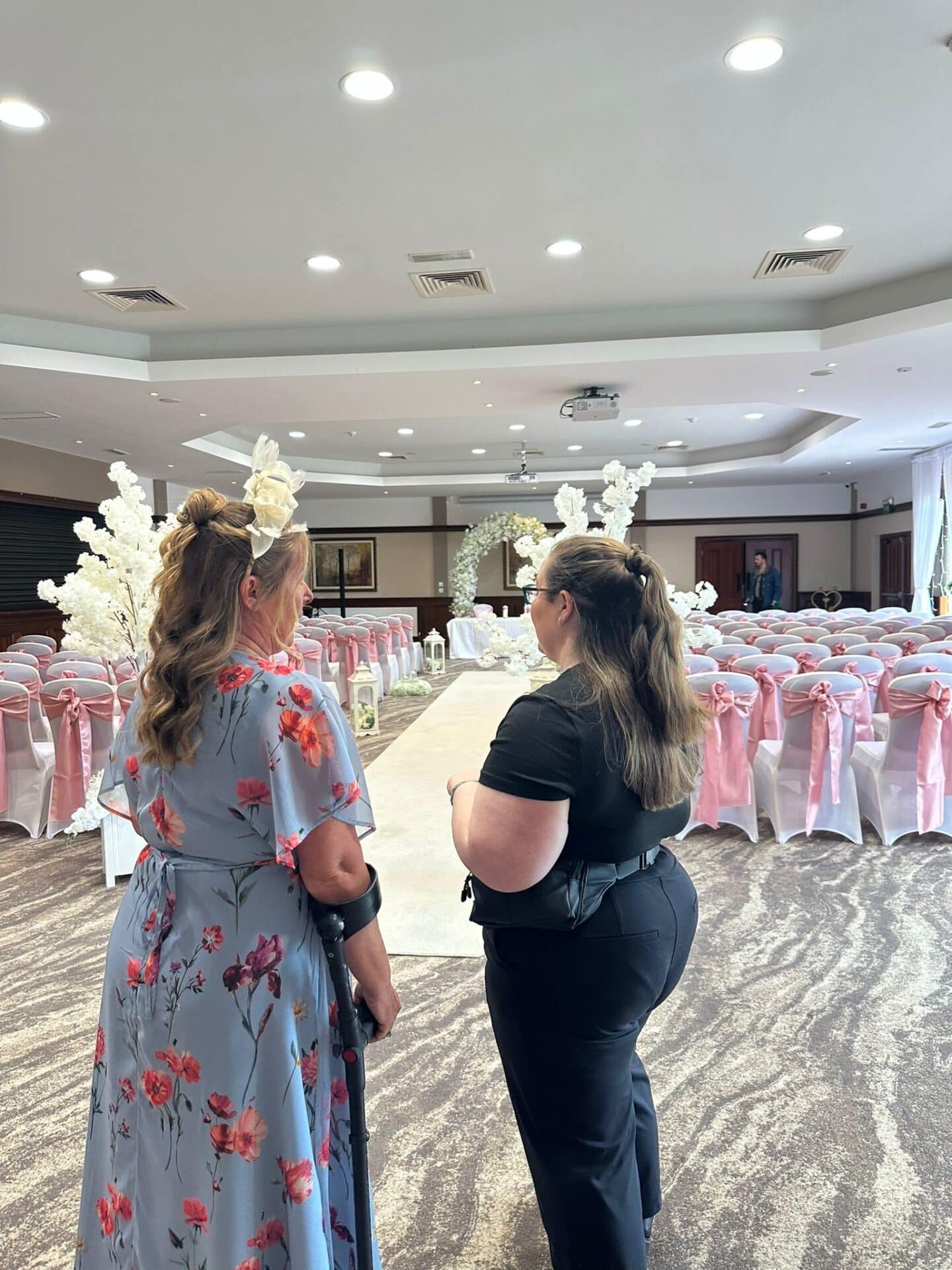
Someone has to check that the ceremony chairs are straight.
Someone has to notice the timeline slipping by twenty minutes before it becomes an hour.
Someone has to solve problems before anyone else even notices they exist.
And far too often, that “someone” becomes the couple themselves.
The Invisible Weight Couples Carry
Most couples do not realise how mentally “on” they will be during their wedding day.
Not because they are controlling.
Not because they planned badly.
But when nobody is clearly handling the logistics, the responsibility naturally falls back on them.
So even in beautiful moments, part of their brain remains elsewhere.
They are hugging guests while mentally calculating whether the speeches are running late.
They are sitting in the makeup chair while answering questions about table plans.
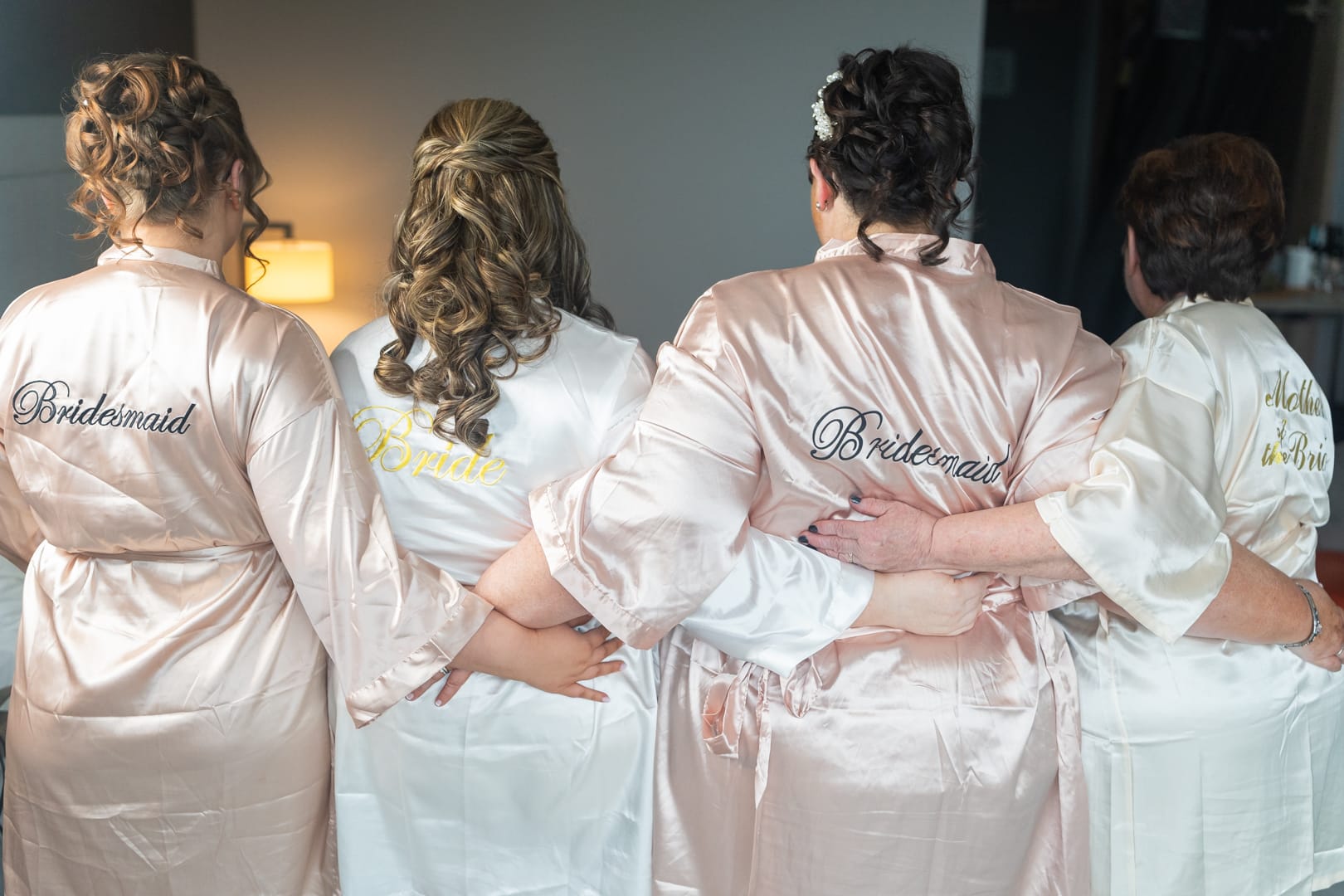
They are walking into the ceremony, wondering if the musicians have arrived.
It is an exhausting thing to hold — the pressure of wanting everyone else to have a good experience while also trying to experience the day yourself.
And that pressure is rarely visible in photographs.
The photos still look beautiful.
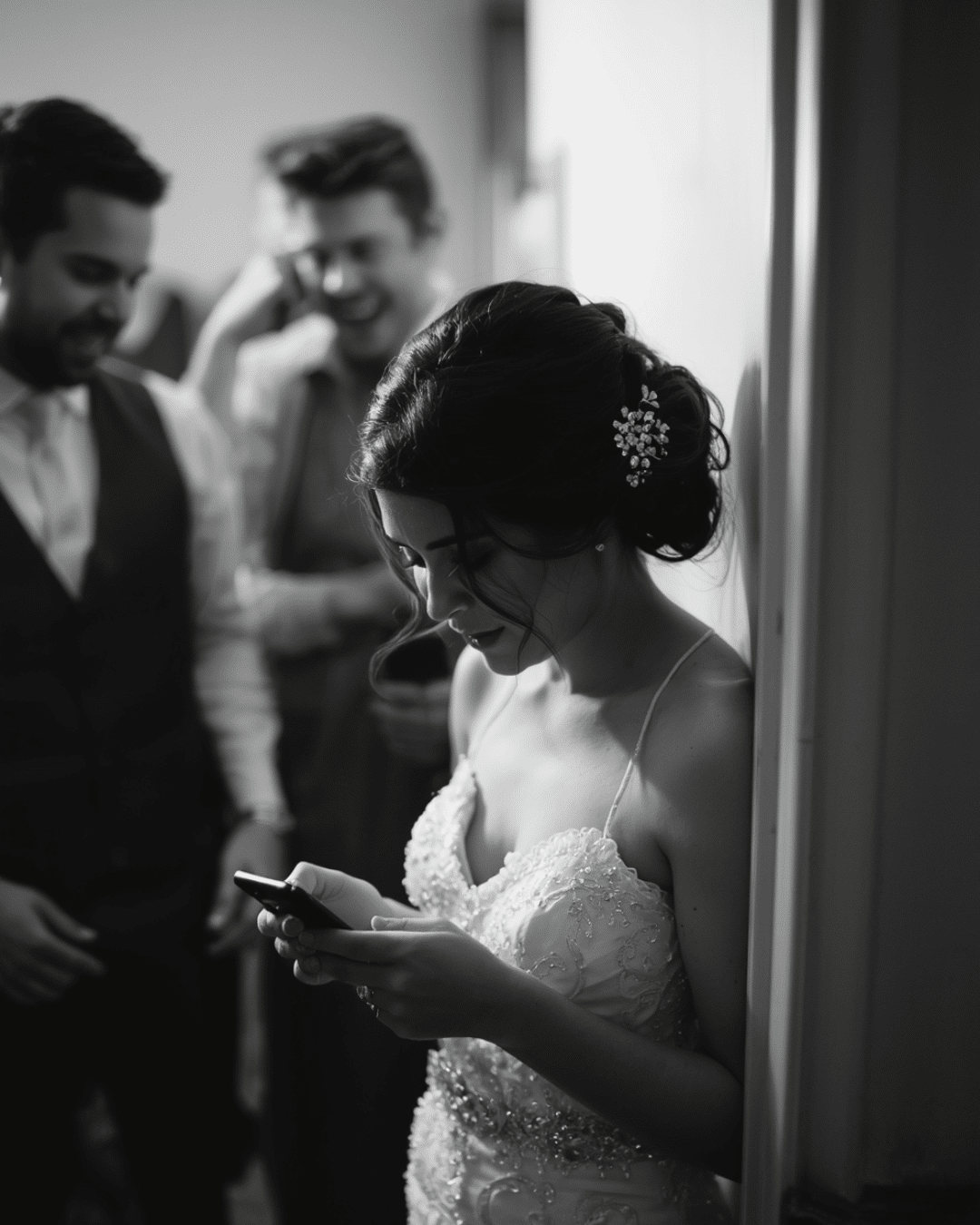
But behind many of those images is a bride answering supplier messages at 8 am. A groom coordinating transport in his suit. A mother fixing candles. A bridesmaid is being unofficially promoted to crisis manager before noon.
People assume weddings are stressful because emotions run high.
In reality, they are often stressful because couples are unknowingly managing a live event while trying to live inside it at the same time.
Weddings Were Never Meant to Be Self-Managed
Somewhere along the way, modern weddings became incredibly elaborate — but the support around couples did not evolve at the same pace.
The expectations grew.
Multiple suppliers.
Detailed styling.
Tight timelines.
Content creators.
Room turnovers.
Outdoor ceremony backup plans.
Family dynamics.
Transport schedules.
Yet couples are still often expected to somehow “relax and enjoy themselves” while simultaneously being the central point of communication for the entire day.
It is an impossible contradiction.
You cannot fully surrender to a moment while also monitoring it.
You cannot be emotionally present while mentally managing contingencies.
And perhaps the saddest part is this:
Most couples only realise how much they were carrying once somebody finally takes it off their shoulders.
Exceptional Wedding Days Are Not Built on Luck
There is a common misconception that seamless weddings simply “happen.”
As though calm is a personality trait.
As though beautiful wedding days naturally unfold untouched by stress or unpredictability.
But experienced wedding professionals know the truth.
Every smooth wedding day is smooth because someone is quietly working behind the scenes, protecting it.
Because weddings are unpredictable by nature.
The weather changes.
A supplier gets delayed.
A boutonnière breaks.
The registrars arrive early.
The seating plan suddenly needs to be altered because of family tension nobody anticipated.
The difference between a stressful wedding and a seamless one is rarely the absence of problems.
It is whether the couple ever has to carry them.
The best coordination is almost invisible.
It looks calm.
It feels like ease.
It allows couples to believe the day simply unfolded naturally because they never saw the work happening underneath it.
The Cost of Being “Too Involved”
When couples look back on their wedding, they rarely remember the tiny logistical details they worried about beforehand.
They remember how the day felt.
Whether they were able to breathe.
Whether they felt present.
Whether they actually got to experience the atmosphere they spent months creating.
And this is the part people don’t talk about enough:
Stress changes memory.
When your nervous system spends the entire day scanning for problems, managing timelines, answering questions and anticipating issues, it becomes harder to fully absorb what is actually happening around you.
You can be physically present for your wedding and emotionally absent from parts of it.
That is the real loss.
Not the timeline is running slightly late.
Not the forgotten cake knife.
Not the missing place card.
The real loss is missing moments you can never recreate.
Protect the Memory, Not Just the Schedule
I founded Blissfully Sorted because I believe couples deserve more than a well-run wedding.
They deserve the chance to actually feel it.
To sit in the bridal suite and laugh instead of coordinating deliveries.
To walk into their ceremony without holding a mental checklist.
To spend the morning feeling excited instead of responsible.
Because your wedding day should not feel like a performance you are producing for everyone else.
It should feel like a moment you are allowed to live inside.
The hecticness of weddings is inevitable.
But your involvement in that hecticness is optional.
You do not have to spend your wedding day working.
You are allowed to hand the clipboard to somebody else.
And when you do, something extraordinary happens:
You stop managing the day…
and finally start experiencing it.